Decision Fatigue and the Tired Brain at Six O'Clock
By evening, even small choices can feel heavy. A few simple routines can take some of that weight off your plate.
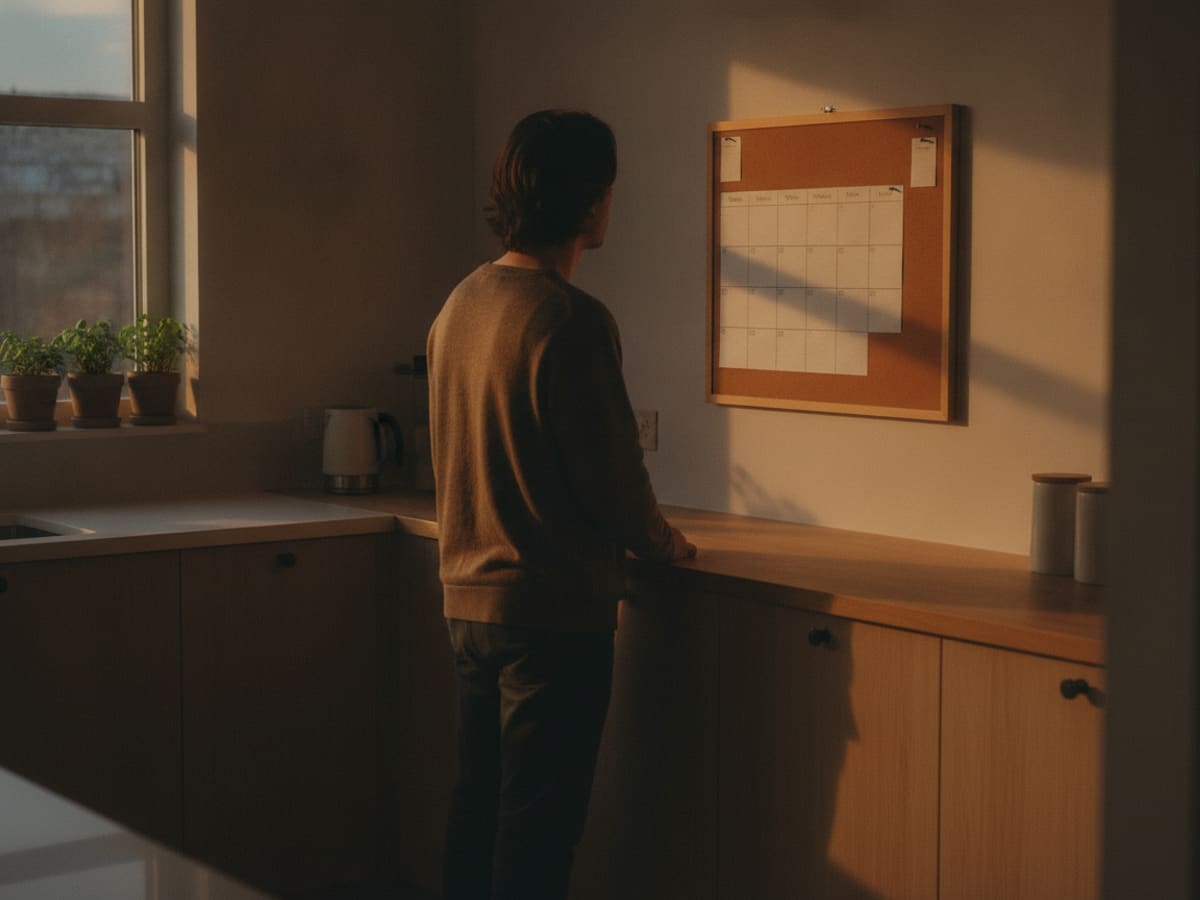
What decision fatigue means in everyday life
You open the refrigerator at the end of a long day, stare at perfectly good food, and can't decide what to make. Someone asks where you'd like to eat, and your honest answer is a sigh. Nothing about the question is hard. But it feels hard.
"Decision fatigue" is the popular name for this experience: the sense that your capacity for choosing wears down after a day of making choices, big and small. Researchers still debate exactly how this works, and not everyone agrees on the mechanism. But the everyday pattern is familiar to most people. By evening, you've weighed emails, answered questions, juggled schedules, and held a dozen small things in mind. A tired brain tends to reach for whatever takes the least effort, whether that's putting off the choice, picking the first option, or saying "I don't care."
It helps to know that this isn't a character flaw. Poor sleep, stress, hunger, and a noisy day can all make deciding feel heavier. The goal isn't to become a perfect decider. It's to ask less of yourself when you have the least to give.
Choosing less on purpose
Many small decisions don't need your full attention. You can quietly remove some of them from your day.
Start by noticing which choices you make over and over. For most people, that list includes:
- What to wear
- What to eat for breakfast and lunch
- What to cook on weeknights
- When to exercise, or whether to
- Which tasks to start first
You don't have to automate all of these. Pick one or two that tend to drain you and make them simpler. A short rotation of meals you already like, or a handful of go-to outfits, can take a surprising amount of friction out of the week.
It also helps to limit options when you do have to choose. Two or three choices are easier to weigh than ten. If you're picking a movie, a restaurant, or a gift, setting a small shortlist before you start can keep you from scrolling in circles.
Making your defaults work for you
A default is what happens when you don't actively decide. Good defaults mean your tired self still ends up in a reasonable place.
Think of it as designing the path of least resistance. If you want to drink more water, keep a glass or bottle where you'll see it. If you'd like to wind down earlier, leave a book on your pillow instead of relying on a late-night decision. If evenings tend to disappear into your phone, you might charge it across the room so that checking it takes a small extra step.
Defaults can also be social. A standing walk with a neighbor on a certain evening, or a regular weeknight dinner such as pasta on Tuesdays, means there's nothing to negotiate. The choice was made once, when you were fresh, and now it simply runs.
Keep your defaults flexible. They're meant to carry you on ordinary days, not to box you in. If a plan stops fitting your life, change it on a calmer day rather than in the middle of a worn-out evening.
Setting up tomorrow tonight
A few minutes of preparation before bed can lighten the next day's load. The idea is to hand tomorrow's morning self a few finished decisions.
- Look at tomorrow's calendar and note the one or two things that matter most.
- Decide what you'll wear, and set it out.
- Think through breakfast and anything you need to pack or bring.
- Put keys, bags, and papers in one spot near the door.
- Jot down any lingering worries or to-dos on paper, so your mind doesn't have to hold them while you try to sleep.
The last step is often the most useful. Writing things down gives your thoughts somewhere to go, and many people find it easier to settle once the list lives outside their head.
Try to do this earlier in the evening rather than as a late-night chore. And keep it small. If the routine becomes another demanding project, it defeats the purpose.
Recognizing when it's more than a busy day
Feeling mentally spent after a full day is normal. Feeling that way constantly, regardless of how much you're doing, is worth paying attention to.
Consider whether you've noticed any of these patterns lasting for weeks:
- Even simple choices feel overwhelming most days, not just at night
- You've lost interest in things you usually enjoy
- Your sleep, appetite, or energy has shifted noticeably
- You find it hard to concentrate or remember things
- You feel persistently low, anxious, or numb
Those experiences can have many causes, including stress, sleep problems, health conditions, or changes in mood, and it isn't possible to sort them out from the outside. That's where a professional can help.
For most of us, the tired brain at six o'clock is simply a sign of a day well used. Make a few choices ahead of time, let your defaults carry some of the weight, and give your evening self a little less to figure out.